Every brand has said it at least once: “We’ll just see what happens on the day.” It sounds relaxed and creative. It is neither. It’s how a business ends up paying for eight hours of lovely-looking footage and then discovering that nothing in it can actually be posted.
Here’s what most brands don’t see from the outside. A good shoot day looks effortless precisely because the hard bit already happened. The content creators who produce the best work in Sydney aren’t winging it with better cameras. They’ve planned the day down to the sandwich order before anybody presses record.
Have a look at our showreel first. Every frame in it was planned long before anyone pressed record.
Planning isn’t the opposite of creativity. It’s what pays for it. When the shot list is sorted and the run sheet is tight, there’s time left over for the unplanned, brilliant bit: the candid laugh, the light that suddenly turns up behind the product, the idea someone has at 3pm that’s better than anything in the brief. Skip the plan and all that time goes on working out where the loo is and who’s got the key to the stockroom.
This post walks through how Sydney content creators plan a shoot day, and what brands can do to get the most out of the one they’re paying for. We’ll cover three things:
- The shot list, and why “get some nice b-roll” isn’t a brief.
- The run sheet, which is what stops golden hour being spent on a long lunch.
- What brands can do on the day, including the surprisingly powerful act of letting your content creator get on with it.
Plan the day properly and one shoot can feed your channels for weeks. Wing it, and you’ll be booking another one by Thursday.
Whether you’re planning a product shoot, a fashion campaign, a venue refresh or a month of social content in a single day, the principles are the same. There’s also a quick checklist at the end that you can screenshot and send to whoever’s booking your next shoot. Go on. They’ll thank you. Probably.
The shot list: “get some nice b-roll” is not a brief
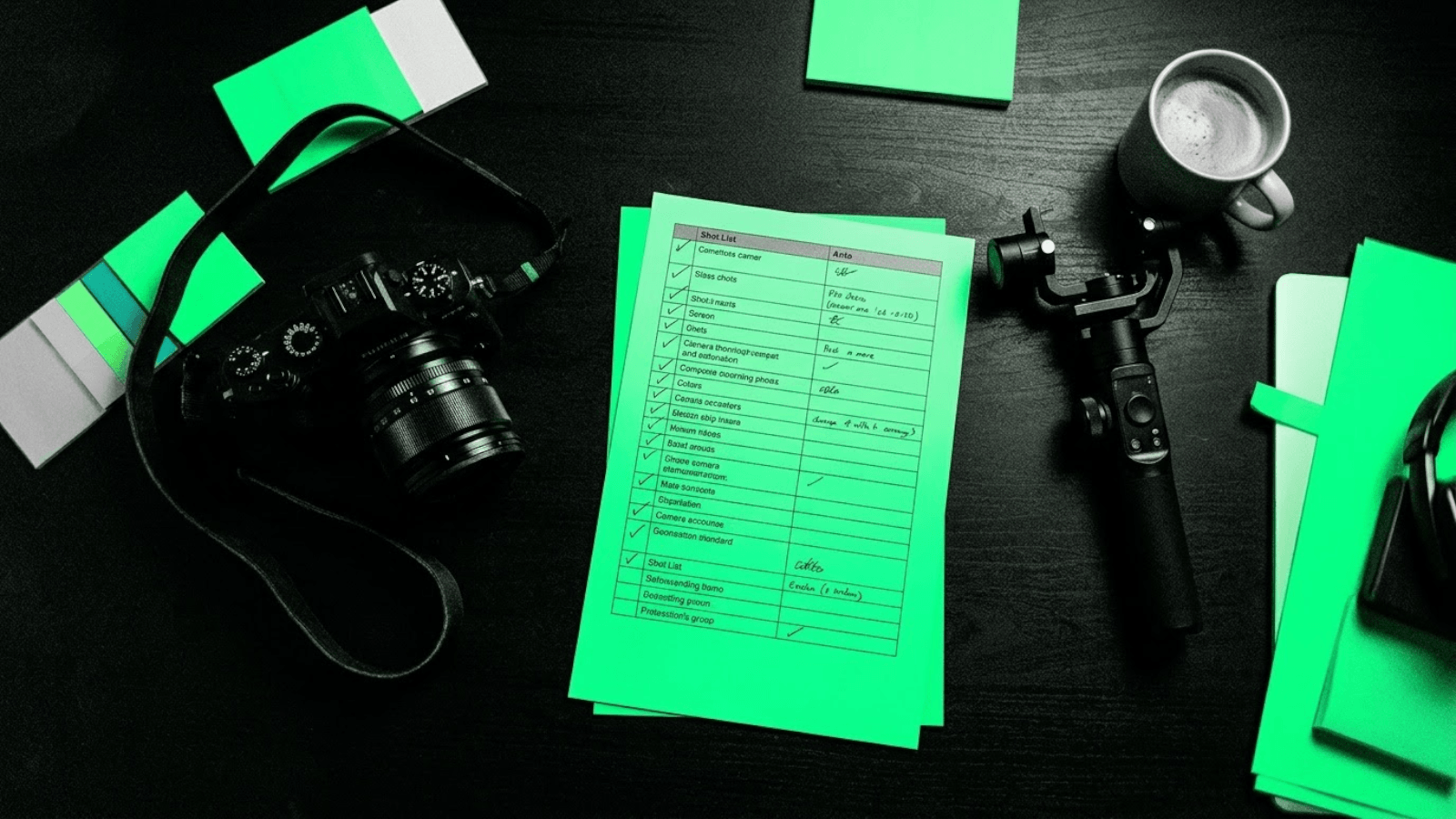
A shot list is the most useful document in content creation and the one brands are least likely to have seen. It’s a simple idea: before the day, you write down every frame you need, in order of importance. Not “vibes”. Actual shots, with actual details.
Compare these two instructions. The first: “Get some nice footage of the new menu.” The second: “Overhead shot of the signature dish landing on the table, vertical, 5 seconds, hands in frame; slow push-in on the pour; close-up of the first bite, no talking, for sound-off captions.” One of those gives a content creator a target. The other gives them a vague sense of dread.
Start with the end, not the camera
Content creators plan backwards. Before they think about angles or lenses, they ask where the content is going and what it needs to do. A Reel for Instagram has different needs from a LinkedIn clip, which differs again from a website hero video or a stills set for a campaign. Each platform wants a different shape: vertical or horizontal, short or long, with sound or without.
That’s why a good shot list is built around deliverables. If you need four cross-platform pieces from one day, the list should say so, and each shot should be tagged with where it’s heading. A single locked-off wide shot can become a website header, a story backdrop and the opening frame of a Reel. Plan that on paper and you get three uses from one set-up. Leave it to chance and you get one.
The three layers of a good shot list
Most of the lists Sydney content creators build have three layers.
- The must-haves. These are the non-negotiable frames. The hero product shot, the founder to camera, the front door with the sign in focus. If everything else goes sideways, these are the shots you leave with.
- The supporting shots. Detail, texture, process and people. These are what make the edit feel rich instead of repetitive: hands at work, close-ups of materials, reactions, movement.
- The wildcards. A deliberately empty slot for the shot nobody predicted. Every good shoot has at least one, and it’s usually the one the client ends up loving. If you plan the day so tightly that there’s no room for one, you’ve over-egged it.
Think in sequences, not single shots
Video is a story told in pieces, and the pieces need to cut together. A professional shot list thinks in sequences: a wide to establish the space, a medium to show the action, a close-up for the detail. That wide-medium-close pattern is boring to describe and brilliant in the edit, because it gives the editor options and gives the viewer a reason to keep watching.
For short-form video this matters even more. The first few seconds do all the heavy lifting, so the shot list should flag which frames are candidates for the opening. A strong hook frame needs to be planned, lit and framed on purpose. It rarely arrives by accident. (We covered that in our post on short-form video.)
Capture once, use everywhere
One of the quiet advantages of hiring content creators who work across platforms is efficiency. If the shot list is built properly, a single day of filming becomes a library: stills for the website and social grid, vertical clips for Reels and TikTok, horizontal footage for YouTube or paid ads, and detail shots for stories and carousels.
The trick is shooting with the edit in mind. That means leaving space in the frame for captions and text overlays, holding shots a beat longer than feels natural so the editor has room to cut, and capturing both vertical and horizontal versions of the most important moments. It’s a bit more thinking up front and a lot less panic later. Our Globite fashion shoot is a good example of one planned day producing a whole toolkit.
How brands can help build the list
You don’t need to write the shot list yourself. That’s the job of the content creator. But there are a few things you can bring to the table that make it far better:
- References. Two or three examples of content you like, and why. “We like the pace of this one” is gold. “Make it pop” is not.
- Must-haves. The products, people, places and messages that have to appear. Say them out loud before the day, not after the edit.
- No-go areas. Anything off limits: competitors in the background, staff who haven’t agreed to be filmed, last season’s packaging.
- How you’ll use it. Tell your content creator whether it’s for paid ads, organic social, your website or all three. It changes how they frame and what they capture.
Get those four things to your content creator a few days ahead and the shot list practically writes itself. Everything else, the angles, the lenses, the movement, is what you’re paying them to decide.
The run sheet: because golden hour waits for no one
If the shot list is what you’re filming, the run sheet is when, where and with whom. It’s the schedule that turns a good plan into a day that actually runs on time. And in Sydney, where the light does half the work for you if you’re in the right place at the right moment, timing matters more than most people realise.
A run sheet isn’t complicated. It’s a simple timeline that everyone on the day can read at a glance: who needs to be where, doing what, and for how long. The best ones fit on a single page and get shared with everyone involved, including the person who will be holding the door open.
Work with the light, not against it
Light is the one thing you can’t reschedule. A content creator planning a shoot will look at sunrise and sunset times, which way the location faces, and where the shadows fall at different points in the day. That’s why exterior and lifestyle shots often get scheduled for early morning or late afternoon, while indoor product work, detail shots and interviews fill the harsh middle of the day.
It’s a small thing that makes a huge difference. The same street, the same model and the same outfit look completely different at 7am and at 12:30pm. Content creators know this, which is why they’ll sometimes ask for a start time that feels ridiculously early. They’re not being difficult. They’re being clever.
Build the day in blocks
The most reliable run sheets are built in blocks rather than minute-by-minute scripts. A typical day might look something like this:
| Time | Block | What happens |
|---|---|---|
| Early start | Arrival and set-up | Kit unloaded, location checked, lighting and power sorted |
| Morning | Hero shots | The must-haves, shot while everyone’s fresh |
| Midday | Detail and process | Close-ups, product work, interviews, indoor set-ups |
| Afternoon | Lifestyle and people | Movement, candid moments, outfit or location changes |
| Late afternoon | Golden hour | The showpiece exteriors, shot in the best light of the day |
| Wrap | Pack-down and backup | Footage backed up before anyone leaves the building |
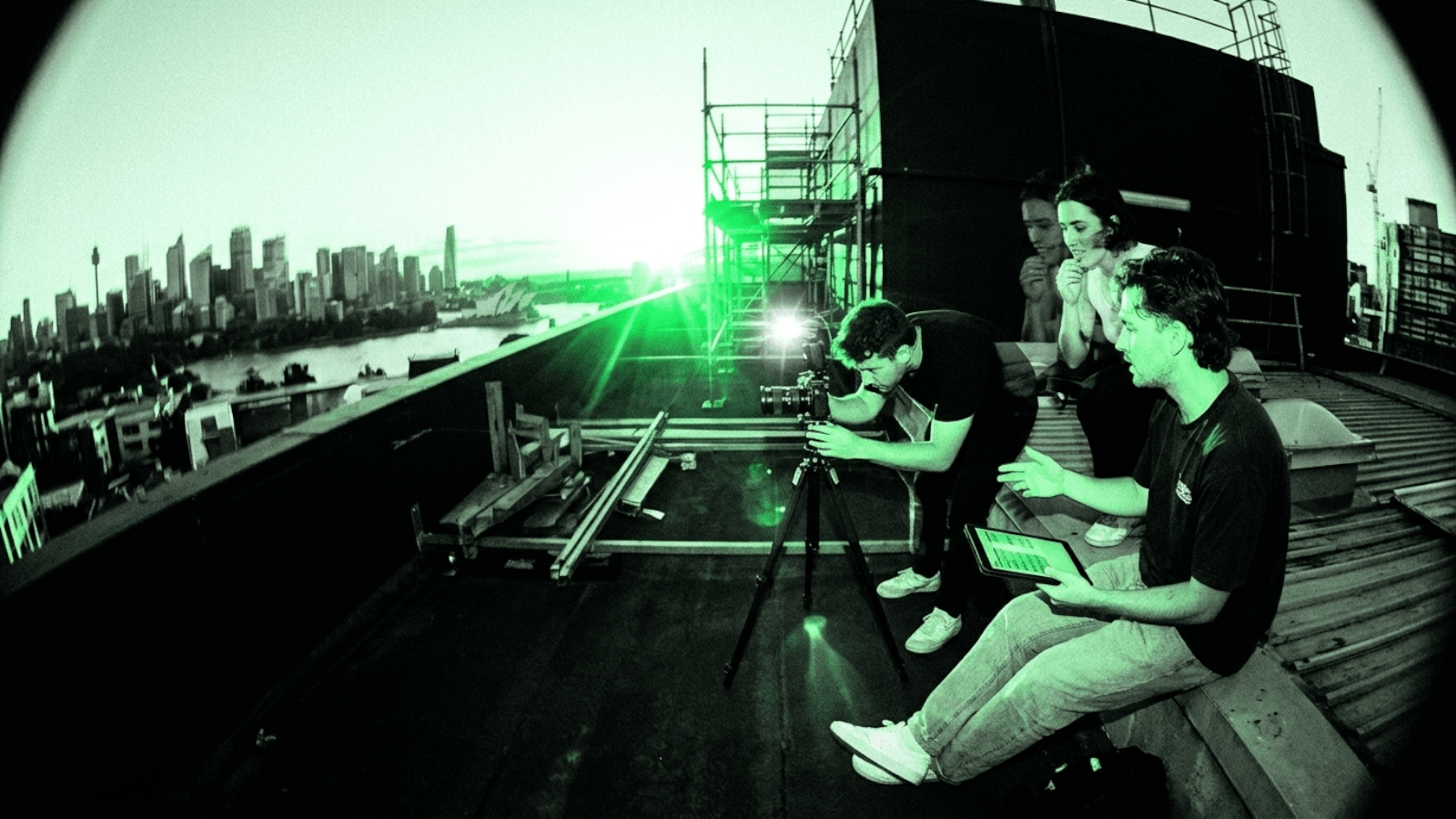
Notice that the must-haves come early. That’s deliberate. Energy is highest in the morning, nobody is tired yet, and if something runs over, it’s the nice-to-have shots that get squeezed, not the hero frame.
Allow for the things nobody puts in the plan
Every shoot has hidden time costs, and good content creators build them in. Moving between locations takes longer than it looks on a map. Outfit and set changes always overrun. Gear needs charging, cards need swapping and somebody always needs a coffee at precisely the wrong moment.
A sensible rule of thumb is to add a buffer of around 15 to 20 per cent to any block that involves a change of location, wardrobe or lighting set-up. It feels like wasted time on paper. On the day, it’s what keeps the schedule from falling apart.
Don’t forget the logistics
A run sheet isn’t only about filming. It’s also where the practical details live, and these are the ones that quietly wreck shoot days when they’re missed:
- Access and permissions. Does the location need a permit or building access? Who’s meeting the crew at the door, and what’s their phone number?
- Wardrobe and styling. Is everything ironed, sized and ready? Have backups been sorted?
- Parking and loading. A van full of kit is no use if it’s parked three streets away.
- Food and breaks. People work better when they’ve eaten. A hungry crew does not produce its best frames.
- Weather plan. If the shoot is outdoors, what’s the plan B? A rain date, an indoor alternative, or a backup location?
Share it early and keep it simple
The best run sheet in the world is useless if nobody’s read it. Send it to everyone at least a day ahead, with a clear contact for the day. Keep it to one page. And keep one version, because the surest way to cause confusion is to have three slightly different schedules floating around in people’s inboxes.
Good content creators will often send a short summary the evening before with call times, location addresses and a reminder of the plan. It takes ten minutes and prevents most of the problems you’d otherwise spend the next morning fixing.
What brands can do on the day (and what to leave to your content creator)
Here’s the part brands don’t always want to hear: once the plan is in place, one of the most valuable things you can do on shoot day is to be helpful and then be quiet. That isn’t a hint that you’re not welcome. You absolutely are. It’s that a content creator works best when the people around them make decisions quickly and trust the process.
So what does a brilliant client look like on the day?
Appoint one decision-maker
This is the single biggest thing that separates smooth shoots from slow ones. When one person on the brand side has the authority to say “yes, that works” or “no, let’s try another angle”, the day flows. When five people each have an opinion and nobody has the final word, every shot turns into a committee meeting.
If you can’t be there yourself, nominate someone you trust and make sure they know what’s been agreed. A decision-maker who has to ring the boss for every approval isn’t a decision-maker. They’re a messenger with a nice lanyard.
Get approvals out of the way early
Whatever needs signing off, sort it before the day. Product choices, wardrobe, talent releases, location permissions, music, and any legal or brand guideline requirements should all be ticked off in advance. Few things burn through a shoot schedule faster than standing around waiting for a brand manager to reply to an email about whether the logo can be on the left or the right.
It’s also worth making sure everyone appearing on camera has agreed to it and knows what they’re being filmed for. Staff who’ve been surprised by a camera tend to look exactly like staff who’ve been surprised by a camera.
Make sure the space is ready
A content creator can do a lot with a good location, but they can’t do much with a messy one. Before the crew arrives, take a look at the space through the eyes of a camera. Clear the clutter. Check the signage. Move the bin. Make sure the products are clean, stocked and ready to be photographed, and have spares if you can.
If you’re shooting in a venue, shop or office, tell the people who’ll be around. A heads-up to the team about what’s happening, when, and where they should avoid wandering saves plenty of awkward walk-ins mid-take.
Be available, not hovering
There’s a sweet spot between being absent and standing over the monitor offering notes on every frame. The sweet spot looks like this: be on site for the key moments, check in at natural breaks, and give feedback in batches rather than interrupting every set-up.
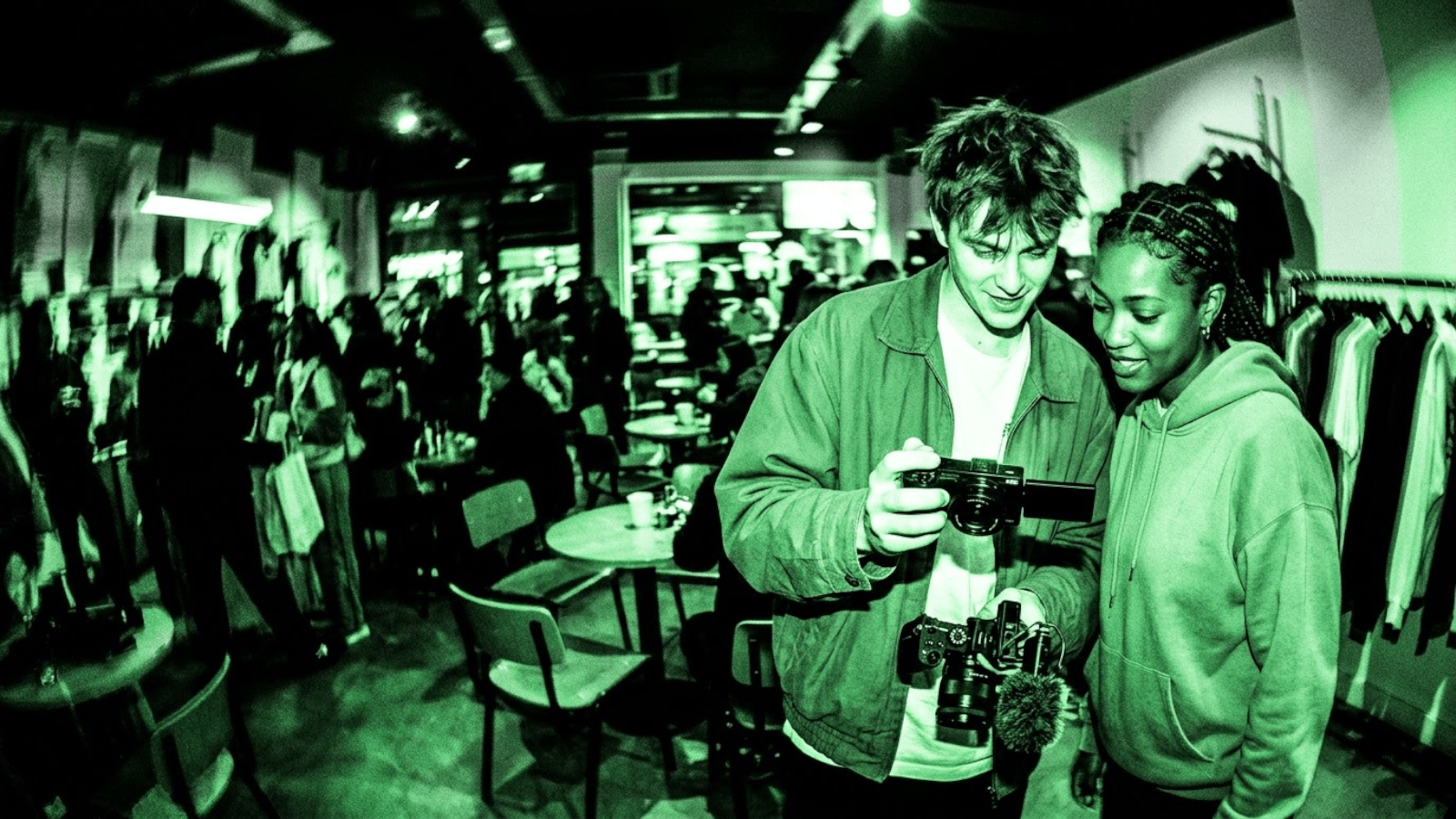
If you do want to see how things are looking, ask for a quick review during a scheduled pause. Most content creators are happy to show you what they’ve got on the back of the camera at a natural break. What breaks the flow is having to stop mid-take to explain why that coffee cup is, in your view, three centimetres too far to the left.
Trust the creative calls
You’ve hired a content creator because they know how to make content that works. That includes the decisions about framing, movement, lens choice, pace and how to get the best out of people who aren’t used to being on camera. If something looks different from what you pictured, ask why before asking for a change. There’s usually a good reason, and sometimes it turns out to be better than the idea in your head.
That doesn’t mean you have to keep quiet about things that genuinely matter. If something’s off-brand, factually wrong or a legal problem, say so straight away. It’s far cheaper to fix on the day than in post. The trick is knowing the difference between a real problem and a personal preference.
Plan for the afterwards
The shoot day isn’t really finished when the cameras go away. Agree before the day how footage will be delivered, how many rounds of revisions are included, who signs off, and when you need the final files. A clear plan for the edit is just as important as the plan for the shoot, and it stops the last stretch from dragging on for weeks.
It’s also worth agreeing where and how the content will be used. Social channels, paid ads, the website, email campaigns and print all have different requirements for format, length and licensing. Having the conversation early means your content creator can capture what you need while they’re already there, which is far cheaper than a reshoot.
The quick checklist: before you book your next content creator
If you skimmed everything above (we won’t tell anyone), here’s the short version. Run through this list with your content creator a week or so before the shoot and you’ll avoid most of the usual headaches.
Two weeks to a week before
- Agree where the content is going: platforms, formats, lengths and any paid use.
- Send two or three reference examples and a short list of must-have shots.
- Confirm the location, access, permits and a contact on the day.
- Lock in talent, wardrobe, products and any props.
The day before
- Share a one-page run sheet with call times, addresses and contact numbers.
- Check the weather and agree a plan B.
- Make sure products are clean, stocked and ready to be photographed.
- Brief the team who’ll be around on the day.
On the day
- Name one decision-maker and make sure they’re reachable.
- Be there for key moments and give feedback in batches.
- Keep everyone fed and watered.
- Check footage is backed up before anyone leaves.
After the shoot
- Agree delivery dates, revision rounds and sign-off.
- Confirm where each piece of content will be used and in which format.
Frequently asked questions
What is a shot list?
A shot list is a written plan of every frame a content creator needs to capture on a shoot, ordered by importance and tagged with where each shot will be used.
What is the difference between a shot list and a run sheet?
A shot list says what you’re filming. A run sheet says when, where and with whom. You need both to make a shoot day run smoothly.
How far ahead should I brief Sydney content creators?
Ideally at least a week before the shoot, with references, must-haves and platforms agreed. Complex shoots with talent, locations or permits need longer.
Do I need to be on set during a shoot?
It helps to have one decision-maker available for key moments and approvals. You don’t need to be there all day, and your content creator will do their best work if you’re helpful but not hovering.
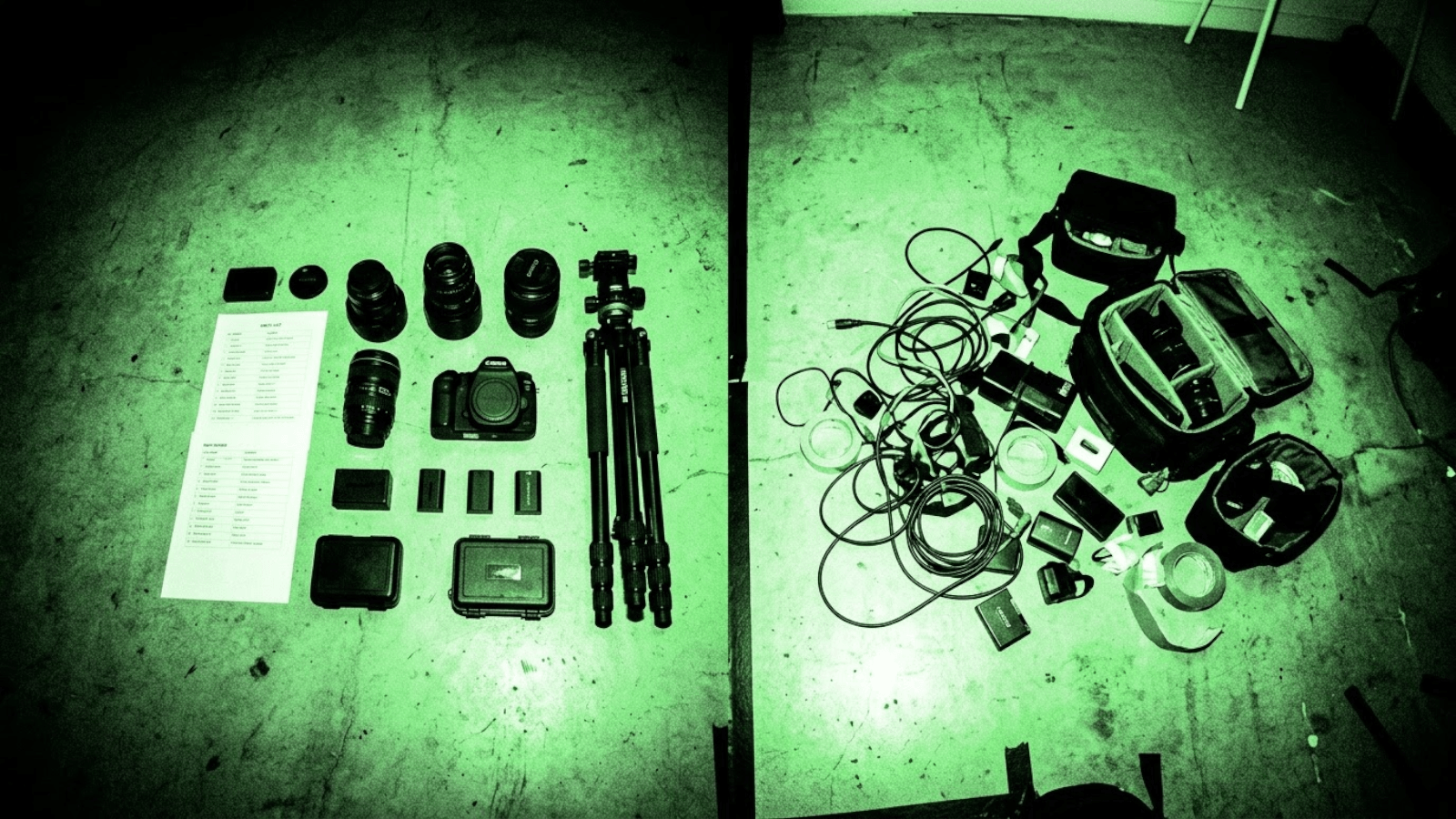
Looking for Sydney content creators who plan the day properly?
The best shoot days feel easy, and that’s no accident. Somebody did the thinking beforehand. For brands, the takeaway is pleasantly simple: bring clear references, a short list of must-haves, one decision-maker and a willingness to let your content creator do what they do best. Do that, and a single day of filming can give you stills, short-form video, website content and social posts that keep your channels busy for weeks.
If you’re thinking about your next shoot, whether it’s one product, one venue or a month of content in a day, have a look at our services, browse our work, or get in touch. We’re a Sydney team of content creators, and we’ll happily help you plan a day that works as hard as you do. Just don’t tell us you’ll “see what happens on the day”. Bring biscuits.
PLAN THE DAY. SHOOT THE DAY. ZERO WINGING IT.