

Full disclosure before we start: this blog was written by AI, with a Capture Content copywriter calling the shots on direction. If it’s funny, that’s the human. If it’s not, blame the robot.
Right then. Ask a brand what a fashion campaign costs and watch the colour drain from their face. Big crew, big budget, big timeline, and a catering bill that could feed a small village. It doesn’t have to be that way. Our recent Globite fashion shoot proves what content creators can do when one small, multi-skilled team owns the lot, from the first daft idea to the final export.
Have a gander at the finished film first. We’ll wait. Go on, stick the kettle on.
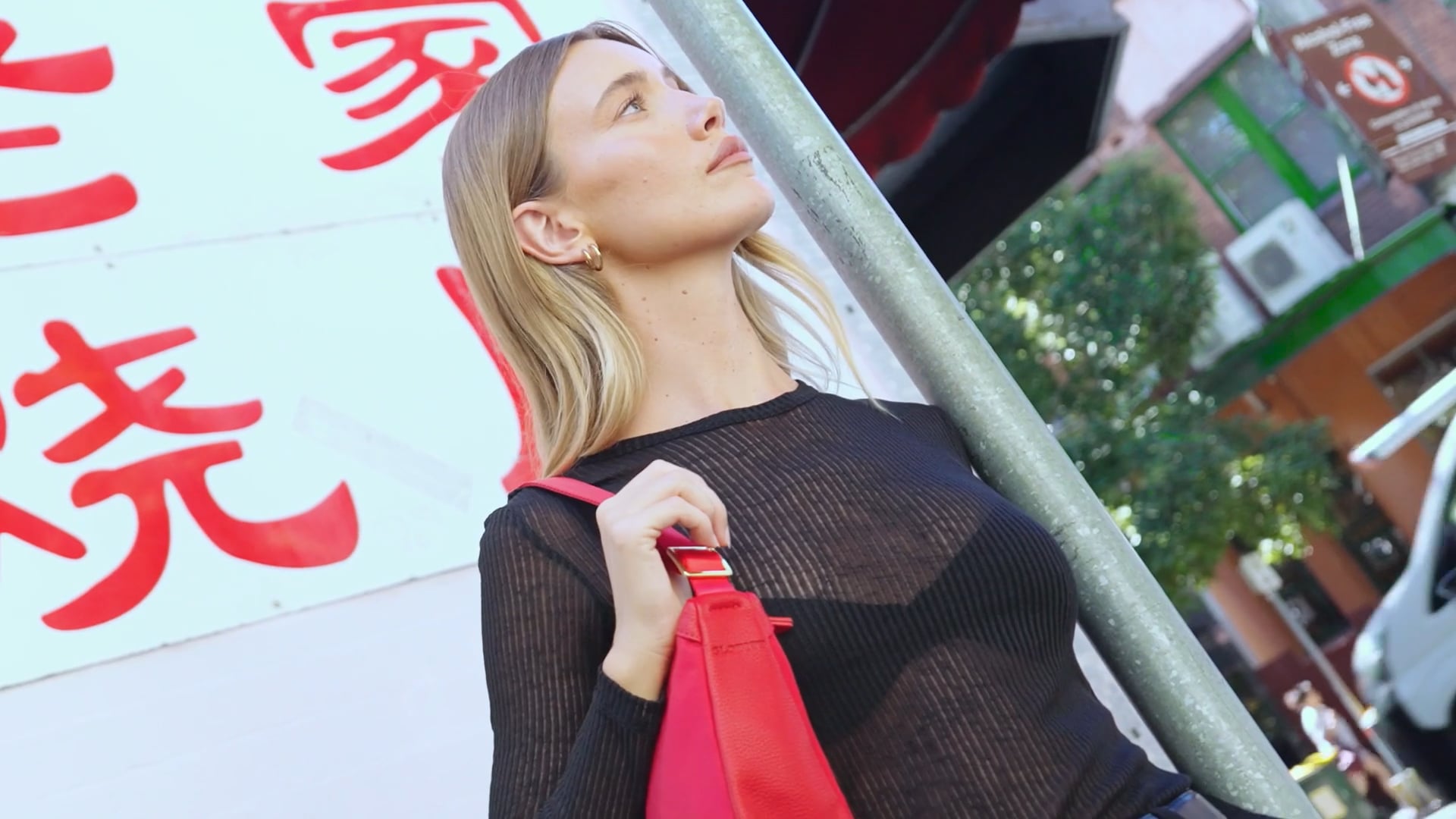
Here’s the short version. One full-day shoot. One team. A client who walked away with 30 stills and four pieces of cross-platform content. Capture Content delivered the location, the concept and the ideation, then shot it, graded it and cut it so it’d sit nicely on every platform the client cares about. Everything was shot on the Sony a7S III, video and stills both, and there was a lot of gimbal work. A proper lot.
One team, one day, one look, and enough content to feed every channel a brand owns.
Fashion shoots: where a bad idea has nowhere to hide
Fashion is a nightmare for anyone who likes to wing it. The clothes have to look right. The movement has to feel effortless, which is rich, because effortless takes a ridiculous amount of effort. And the whole thing has to carry a mood a brand is happy to put its name to. If the fabric doesn’t move well on camera, everyone clocks it. If the colour’s off, everyone clocks that as well. Nobody’s ever watched a fashion film and said “ooh, lovely, that grade was a bit rubbish, but the concept carried it.”
That’s exactly why it’s such a good test for content creators. The traditional production model splits a job into loads of specialist roles, and that’s grand when you’ve got the budget for it. We’ve had a good moan about the difference between production and content before. But content creators come from smaller teams, which means they’re multi-skilled and can take on most of the roles a bigger crew would split between them. Fewer handovers, quicker decisions and a finished piece that feels like one person’s vision rather than something knocked together by a committee over seventeen emails.
The Globite shoot is a cracking example. We weren’t handed a finished concept and told to point a camera at it. We were in from the start, and that changes everything.
Step one: somebody had to have the idea (and it wasn’t a committee)
Every good shoot starts long before anyone picks up a camera. Concept and ideation is where a brief turns into an actual idea. What’s this campaign about? Who’s it talking to? What do we want people to feel in the first second of watching, before they scroll off to look at someone’s dog?
Here’s why it matters when you’re working with content creators. When the people who come up with the idea are the same people who shoot and edit it, nowt gets lost in translation. The concept’s written with the edit in mind. The shot list is built around what’ll actually work on screen. And the ideas that sound brilliant in a meeting but fall apart on set get binned early, because whoever pitched them is also the one who’d have to film them. Funny how that sharpens the imagination.
For Globite, Capture Content delivered the concept and the ideation as part of the job. The client didn’t need to turn up with a fully formed creative direction, and they didn’t need to hire a separate agency to dream one up. They needed a brand, a goal and a day in the diary. We sorted the rest.
So if you’re a brand weighing up content creators, ask one question up front: will the same team that shoots the work help shape the idea? If the answer’s yes, you’ve usually bought yourself a smoother process and a better result. If the answer’s “well, we’ll pass your brief down the line,” you may want to have a long hard think.
Step two: the location (harder than it looks, naturally)
Location does a ridiculous amount of heavy lifting in fashion content. It sets the tone before anyone’s said a word and it can decide how much styling and set dressing you need. A great location can make a simple outfit look like a campaign. A poor one can make expensive product look like it’s been photographed in a stockroom.
On this job, Capture Content delivered the location too. Handing that to the content creators saves a surprising amount of faff, because the team choosing where to shoot is thinking about the shoot, not just the backdrop. Here’s what a good team weighs up:
- Light. How does it behave across the day, and does it suit the mood the concept’s after?
- Room to move. Fashion needs space, and so does anyone running a gimbal. A gorgeous location you can’t walk through is just an expensive corridor.
- Variety. One day, several looks, multiple formats. Different angles and backdrops give the edit more to play with.
- The boring bits. Access, permissions and a day that runs to time. Nobody posts a screenshot of these, but they’re the difference between a smooth shoot and a very long afternoon.
None of it’s glamorous. All of it shows up in the final result. Good locations don’t just look good. They make the shoot day easier, and an easier day is a better day for everyone, including the people who have to stand in front of a camera looking relaxed.
Step three: one day, two outputs, no faffing
The shoot itself was a full day, and the target was clear. Come away with stills and video that work together as one campaign. By home time, the client had 30 stills and four cross-platform pieces of content. In one day. Some people take longer than that to choose a font.
The secret’s planning, which is about as exciting as it sounds but works every time. When you know from the concept stage that you need both stills and video, you shoot with both in mind the whole way through. Setups are built so a single look can produce a still and a moving shot without starting again from scratch. The team knows which shots are for the hero film, which are for short-form cuts and which are best left as photography. Nobody’s guessing on the day, and nobody’s having that horrible “we should’ve grabbed that” moment on the drive home.
It’s also where content creators earn their keep. A larger production might bring a separate photography crew and a separate film crew and run two parallel shoots. A tight content team covers both with one coordinated approach. Fewer people on set also tends to mean a calmer atmosphere, which helps when you’re asking people to look natural for hours on end. Nobody relaxes with fourteen strangers staring at them.
The kit: a7S III and a frankly daft amount of gimbal
Video and stills were both shot on the Sony a7S III. It’s a camera content creators rate highly for its video features and its low-light performance, and it suits the mix of stills and motion a fashion campaign needs. Using one camera system for everything also helps with consistency. The footage and the stills come from the same sensor, which makes it far easier to keep a unified look across the whole campaign. Fewer surprises in the grade, fewer grumpy edits.
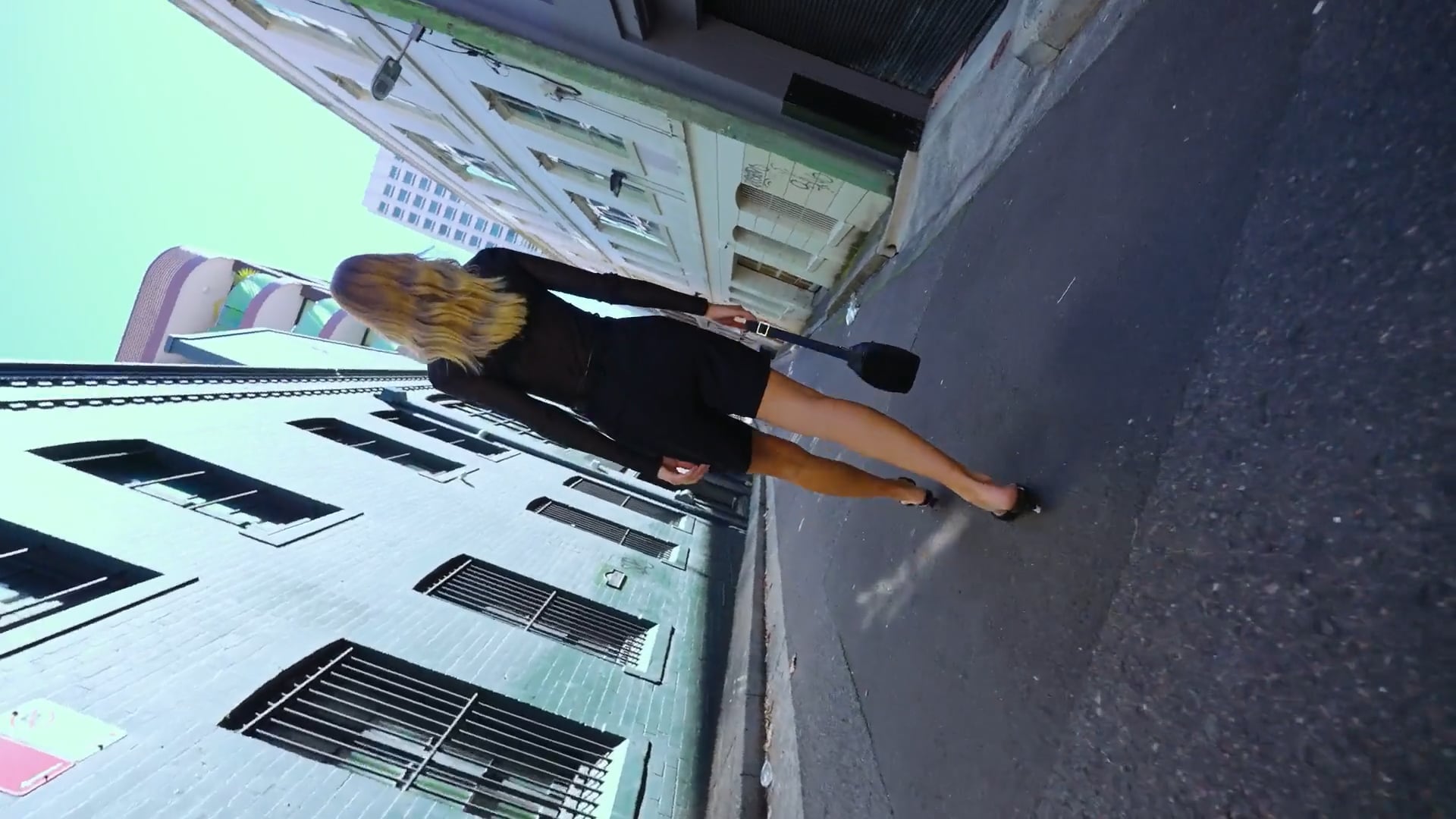
Then there’s the gimbal. A lot of this campaign was shot using gimbal work, and it’s a big part of why the finished film feels the way it does. A gimbal keeps the camera steady while the operator moves, so you get smooth, gliding shots that float around the subject. For fashion, that’s a gift. Clothes are designed to move, and a steady moving camera shows off fabric, silhouette and movement in a way a locked-off tripod shot just can’t.
Mind, it isn’t a button you press. It takes practice, some serious physical stamina and a good eye for when movement adds to a shot and when it’s just movement for movement’s sake. It’s one of the things that separates experienced content creators from folk who’ve simply bought the kit. A smooth shot that goes nowhere is still a forgettable shot. The move needs a reason, and the reason should come from the concept, not from the fact that you’ve got a gimbal and it’d be a shame not to use it.
Step four: the grade and the cut (where the magic gets blamed on the camera)
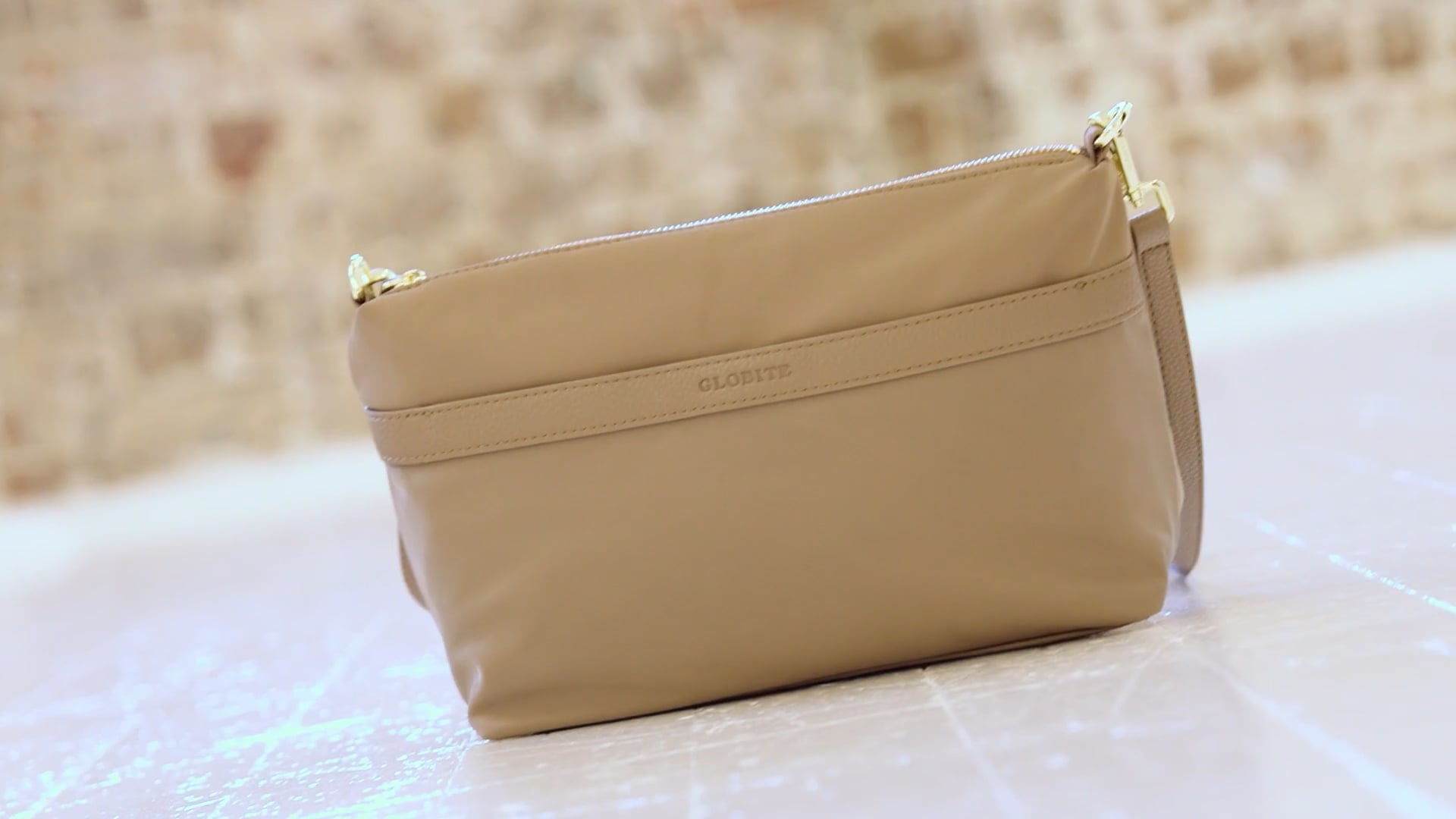
Once the shoot’s wrapped, the job’s nowhere near done. Capture Content graded and cut the Globite campaign to work across platforms, and that finishing stage is where a lot of the polish comes from. It’s also the bit clients rarely see, which is a shame, because it’s where the film gets its personality.
Grading gives all the footage a consistent look. Different setups and different points in the day can produce slightly different colour and contrast. The grade pulls it all into the same world and locks in the mood. The same footage can feel warm and easy or cool and sharp depending on how it’s graded, so it’s worth getting it right rather than leaving it to a filter and a prayer.
Cutting is where the story gets shaped. A fashion film lives or dies on rhythm. When to hold a shot, when to cut, how to build energy without exhausting the viewer. A good editor knows what to leave out, and that’s often the hardest bit of the job, because nobody likes binning a shot they’ve worked hard for.
The real advantage is that the same content creators who planned and shot the campaign did the grade and the cut. They already knew what each shot was meant to do. No briefing a stranger, no “what were you going for here?” emails, no waiting. Just a faster, more purposeful edit.
“Cross-platform” is not just a buzzword (honest)
You’ll hear “cross-platform” bandied about a lot, usually by someone who means “we exported it twice.” In practice it means content designed from the start to work in more than one place. A video that looks stunning on a wide screen can be awkward on a phone. A square crop can slice off the most important bit of the frame. And a piece that suits one platform’s audience might sit oddly on another.
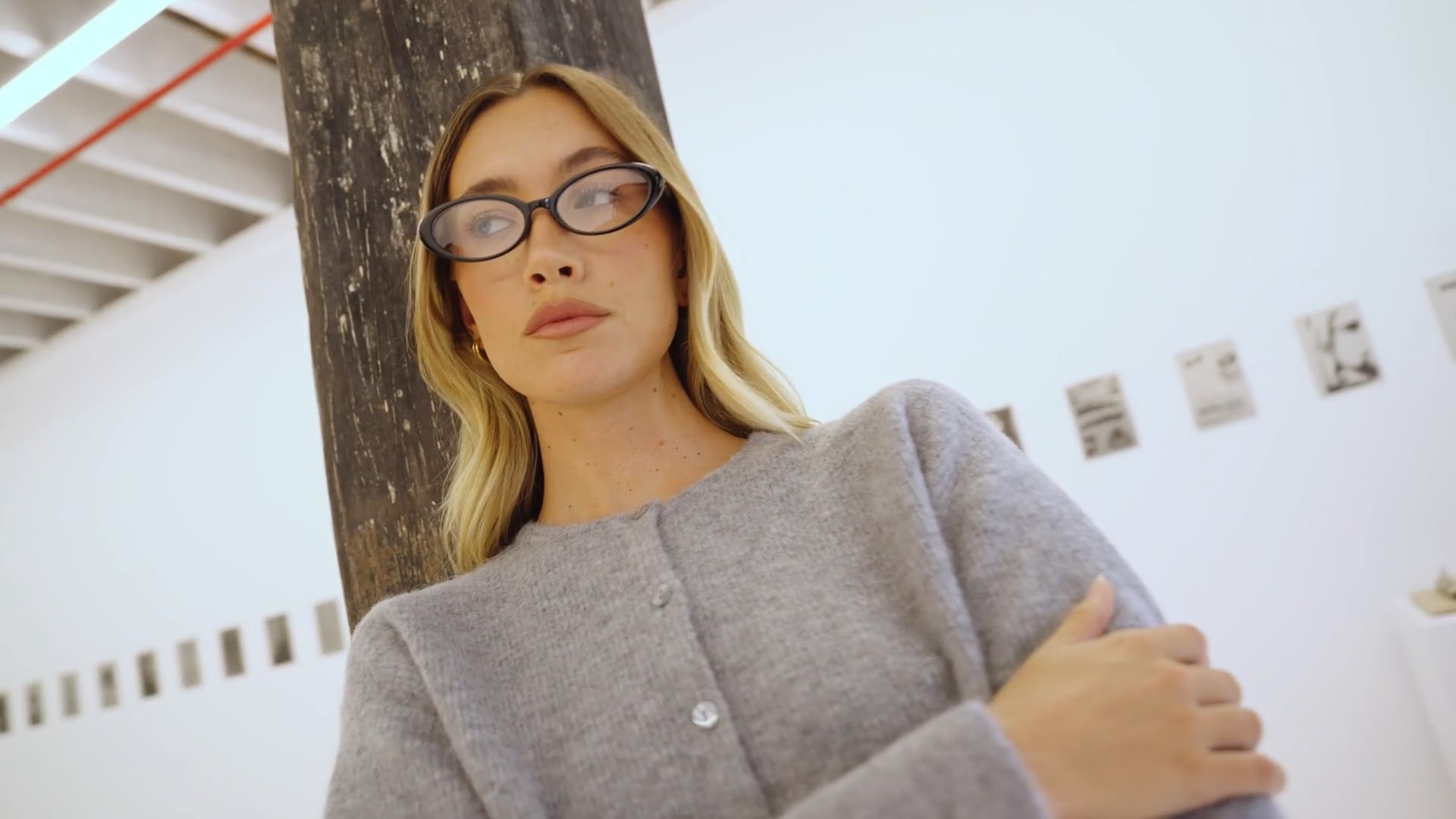
For Globite, the client got four cross-platform pieces of content on top of the 30 stills. That’s a toolkit, not a single asset. They can mix and match across channels, keep a steady flow of content going and avoid that classic panic of “we’ve only got one video and we need to post something every day.”
Thinking cross-platform from the concept stage changes how a shoot runs. Content creators frame shots knowing they’ll need to work in several formats. They leave a bit of breathing room around the subject so a wide shot can be reframed for vertical. They grab extra angles and moments that suit shorter cuts. It’s a small difference on the day and a massive difference in how much usable content you end up with.
Why one team beats a conveyor belt for this kind of job
Before anyone gets their knickers in a twist: big productions have their place. For a broadcast campaign, a full crew is the right tool. But for brands who want strong social content without remortgaging the office, a content team that owns the process end to end is hard to beat. In practice, that looks like this:
- Fewer handovers. Ideas don’t get watered down as they pass from person to person, like a game of Chinese whispers with a budget.
- Quicker decisions. When the creative lead is also behind the camera, changes happen on the spot instead of after a meeting about a meeting.
- More from one day. Stills and video planned together and shot together.
- Consistency. The same team handles concept, shooting, grading and editing, so the look holds together.
- One point of contact. One team, one conversation, one place to send your feedback.
For the client, it means a full campaign from one booking rather than juggling a dozen suppliers. For the content creators, it means the work’s shaped by people who care about the finished result, not just their own little slice of it.
How to brief content creators without losing your mind
Planning a fashion or product shoot of your own? A few habits will get you far more out of the day:
- Start with the goal, not the gear. Know what the campaign needs to do and where it’ll be seen. The rest follows. Nobody ever won a brief by saying “we want it on a proper camera.”
- Share your channels early. If you know which platforms matter, content creators can plan formats from the start instead of patching them together later.
- Ask who’s doing what. A small team can cover a lot, but you should know who handles concept, shooting, grading and editing, and what lands in your inbox at the end.
- Agree deliverables up front. Number of stills, number of videos, formats. On the Globite job that was 30 stills and four cross-platform pieces. Nice and clear, no arguments.
- Trust the process. A day with a clear plan and a team that knows its roles tends to run smoothly. Let your content creators get on with it. That’s what you hired them for.
Frequently asked questions
How many content creators do you need for a fashion shoot?
It depends on the scope, but a small, multi-skilled team can often cover roles a bigger production would split across loads of people. Talk through what you need with your content creators before you book, so the team fits the brief and not the other way round.
Can one shoot day deliver both stills and video?
Aye, if it’s planned that way from the start. On the Globite shoot, one full day produced 30 stills and four cross-platform pieces of content, with video and stills both shot on the Sony a7S III.
Why use a gimbal for fashion content?
A gimbal gives you smooth, flowing movement that suits clothing and styling. It shows off fabric, shape and movement in a way static shots can’t, and it adds energy to short-form social content.
What does cross-platform content actually mean?
Content that’s been planned, framed and cut to work across several platforms, rather than made for one place and awkwardly squashed into the others.
Do content creators handle the concept as well as the shoot?
Plenty do. On the Globite campaign, Capture Content delivered the location, concept and ideation as well as the shoot, the grade and the cut.
Want content creators who own the whole job?
The Globite fashion shoot shows what’s possible when content creators are involved from idea to finished edit. One day, one coordinated team and a set of stills and cross-platform content that gives a brand plenty to work with. Not bad for a Tuesday. Or whichever day it was.
If you’re planning a campaign and fancy content creators who’ll sort the location, the concept, the shoot and the finishing, have a look at our services, browse our work, or get in touch. We’d love to hear what you’re planning. Bring biscuits.


